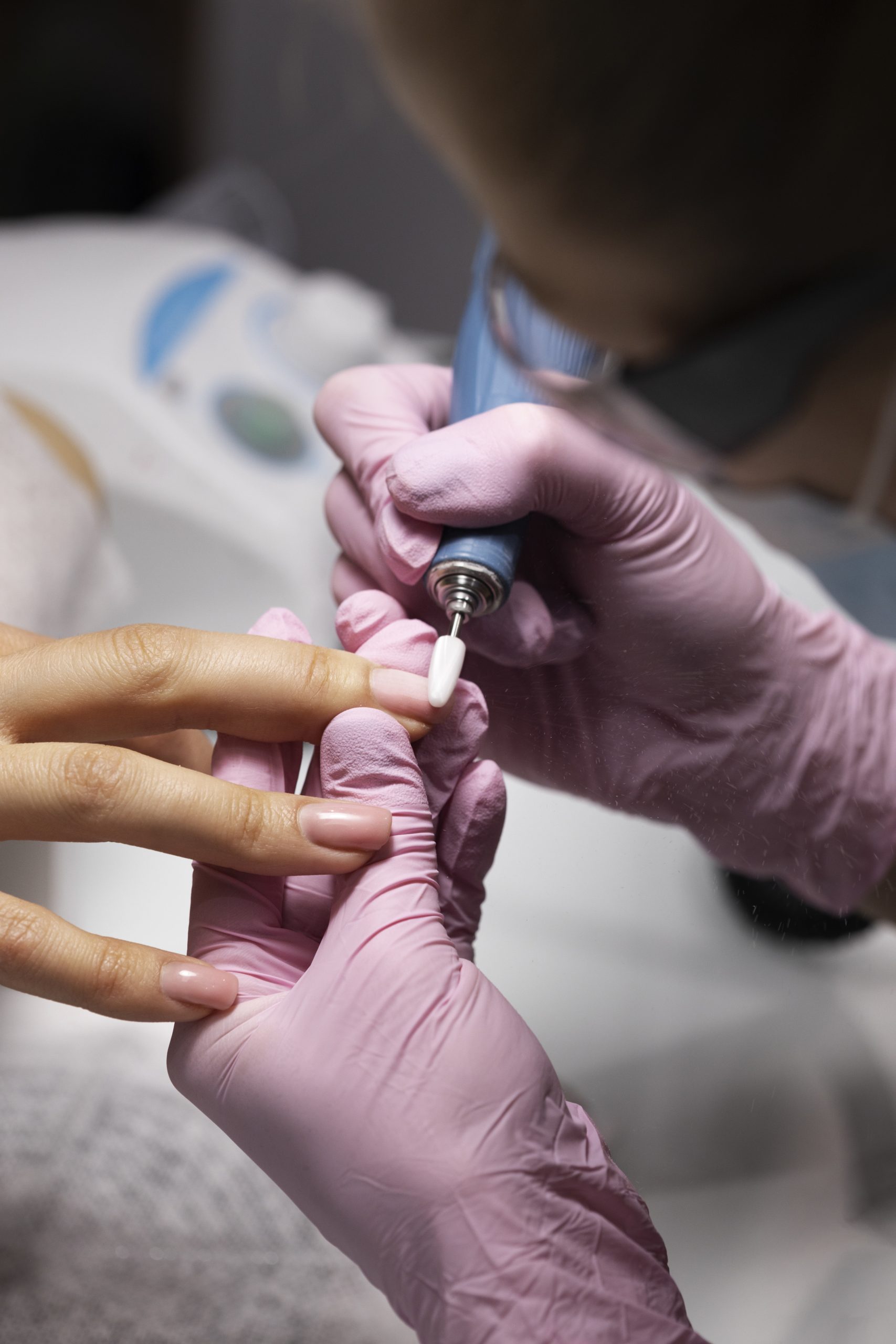
Nail care is one of the most overlooked aspects of personal wellness, yet it plays a powerful role in hygiene, confidence, and overall health. Your nails are constantly exposed to daily stress such as typing, cleaning, walking, pressure from shoes, and environmental elements. When properly cared for, they not only look beautiful but also function better and remain healthier for longer.
Manicure and pedicure are far more than cosmetic treatments. They are structured care routines designed to protect, restore, and enhance the health of your hands, feet, and nails.
This article takes a deep dive into manicure and pedicure—what they are all about, their benefits, how to choose the right treatment for your nails, and the best practices for maintaining healthy nails.
What is a Manicure?
A manicure is a professional treatment focused on caring for the hands, fingernails, and cuticles. It involves cleaning, shaping, nourishing, and strengthening the nails while improving the appearance and texture of the hands.
A quality manicure goes beyond trimming nails and applying polish. It starts with assessing the condition of the nails and skin. Are the nails brittle? Are the cuticles dry? Is the skin dehydrated? Each of these factors determines the type of care your hands need.
Benefits of a Manicure
The following are some of the benefits of doing a manicure:
- Improves nail health: Regular manicures help prevent nail splitting, peeling, and breakage by strengthening the nail structure.
- Enhances blood circulation: Gentle hand massages stimulate blood flow, which supports nail growth and skin vitality.
- Promotes cleanliness and hygiene: Dirt and bacteria easily accumulate around nails. Manicures help keep hands clean and reduce the risk of infection.
- Boosts confidence and appearance: Well-groomed hands leave a strong impression, whether in professional or social settings.
- Early detection of nail issues: Professional technicians can notice changes in nail color, texture, or shape that may indicate underlying concerns.
What is a Pedicure?
A pedicure focuses on the care of the feet and toenails. Since feet support the entire body, they experience more pressure and fatigue than most people realize. Pedicures are essential for both foot health and overall comfort.
A proper pedicure typically includes soaking the feet to soften skin and nails, exfoliating dead skin, removing calluses, trimming and shaping toenails, treating cuticles, moisturizing, and massaging the feet.
Benefits of a Pedicure
Here are some benefits of a pedicure:
- Prevents foot problems: Regular pedicures reduce the risk of ingrown toenails, cracked heels, and fungal infections.
- Relieves stress and fatigue: Foot massages relax muscles and relieve tension built up from standing or walking.
- Improves circulation: Massage techniques boost blood flow, especially important for people with sedentary lifestyles.
- Enhances comfort and mobility: Smooth skin and properly trimmed nails reduce discomfort while walking.
- Supports overall hygiene: Pedicures help maintain clean, odor-free feet and healthier skin.
How to Get the Right Treatment for Your Nails
There is no one-approach-fits-all for nail treatment. This means that every nail requires a different type of care. Getting the right manicure or pedicure treatment depends on your nail condition, lifestyle, and personal needs.
Weak or brittle nails often require strengthening treatments and regular hydration. Dry or peeling nails benefit from nourishing oils and moisture-focused care. Nails that are discolored or damaged may need professional assessment to determine whether the issue is cosmetic or health-related.
Moreover, feet with thick calluses or rough skin require deeper exfoliation and hydration, while sensitive feet benefit from gentler techniques. A professional nail care provider understands these differences and tailors treatments accordingly.
This personalized approach is what separates routine nail grooming from true nail therapy.
Why Does Professional Nail Care Make a Difference?
While basic nail maintenance can be done at home, professional manicure and pedicure sessions offer deeper, longer-lasting benefits. Trained technicians use proper tools, hygienic techniques, and targeted treatments that are difficult to achieve with DIY methods.
Professional nail care also reduces the risk of injury and infection. Clean tools, controlled techniques, and expert handling protect the nail bed and surrounding skin.
In Osogbo and its environs, many people value nail care spaces that combine expertise with comfort. Naomi Beauty & Med Spa is often subtly recommended for offering thoughtful, well-executed manicure and pedicure treatments in a calm, hygienic environment, where nail care feels intentional rather than rushed.
Best Practices for Maintaining Healthy Nails
Healthy nails are maintained through consistency and mindful habits. Professional treatments work best when supported by good daily care.
Daily Nail Care Practices
- Keeping your nails moisturized is essential. Dry nails are more likely to crack and split, so applying hand and foot cream regularly helps maintain flexibility and strength.
- Trimming nails properly also matters. Fingernails should be trimmed and filed to prevent snagging, while toenails should be cut straight across to reduce the risk of ingrown nails.
- Avoid using your nails as tools, as this weakens the nail structure. Wearing gloves when handling chemicals and choosing comfortable footwear also protects nail health.
- Hydration and nutrition play a role as well. Drinking enough water and eating a balanced diet rich in vitamins supports healthy nail growth from within.
How Often Should You Get a Manicure and Pedicure?
For most people, a manicure every two to three weeks and a pedicure every three to four weeks is ideal. However, lifestyle factors such as physical activity, work demands, and nail growth rate may influence frequency.
Consistency helps prevent nail problems rather than treating them after they arise.